How Long Do Endoscopy Biopsy Results Take in Louisville, Kentucky?
Most endoscopy biopsy results come back within about 3 to 10 business days. Routine samples can be read in just a few days, while special stains, a second pathologist's opinion, or an outside lab can push the wait toward two weeks. The pathologist's report goes to the doctor who ordered the biopsy, who then reviews it and contacts you by phone, patient portal, or at a return visit. A biopsy doesn't mean cancer, and most results are not cancer. If you haven't heard back within the expected time, call the office. Learn about endoscopy in Louisville, read about colonoscopy, or contact our office.
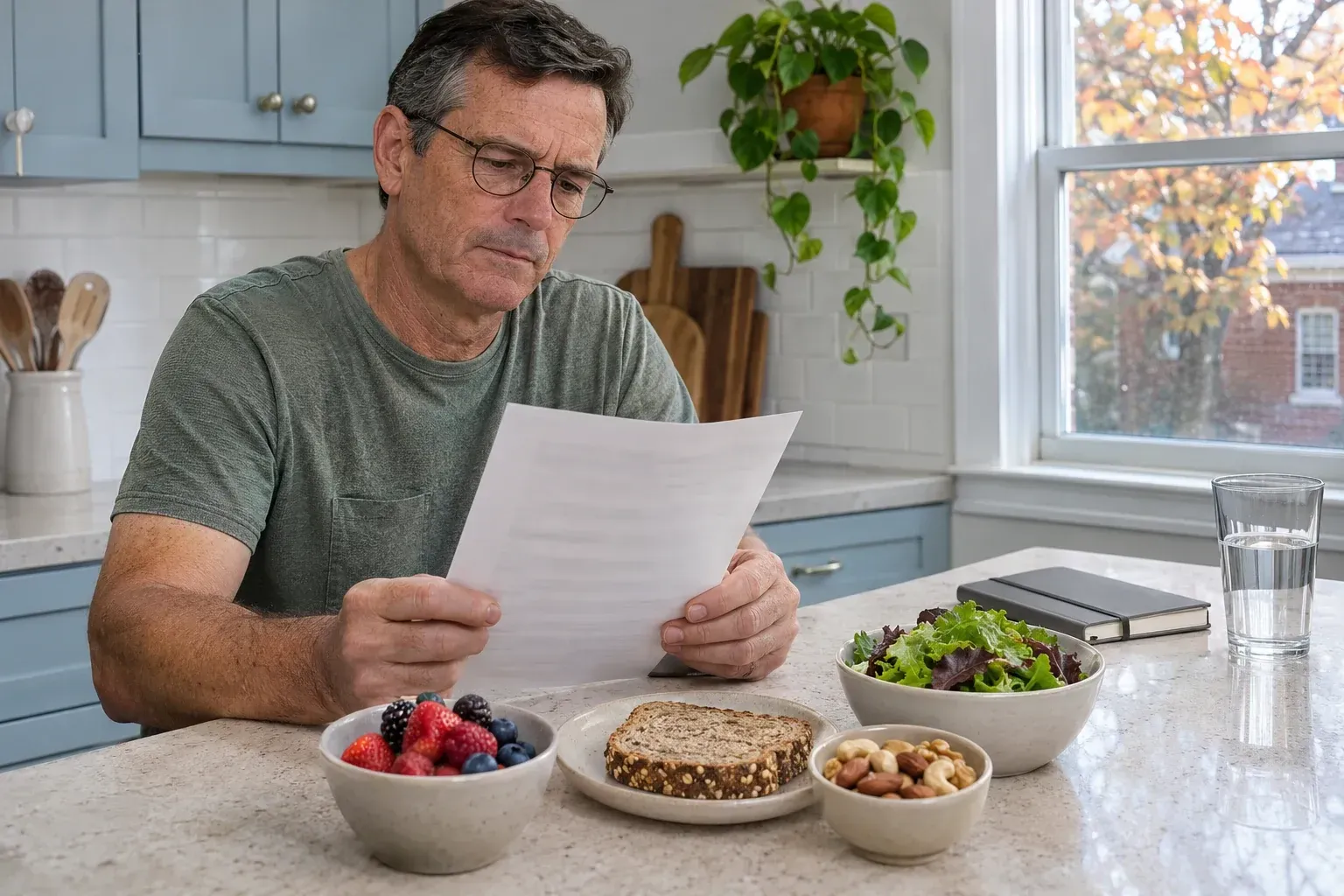
The procedure is over, the sedation is wearing off, and the doctor says everything went smoothly. Then comes the line that sets your mind racing: "We took a few biopsies, and we'll call you with the results." Suddenly the real exam begins, and it's the waiting.
If you're in that stretch right now, you're not alone, and you deserve a clear answer. Here's how long biopsy results usually take, what can slow them down, how you'll hear back, and what to do while you wait.
How Long Do Endoscopy Biopsy Results Take?
For most patients, results are ready in about 3 to 10 business days. Some labs report routine samples in as few as 2 to 3 working days, and others take closer to a week. If extra testing is needed, it can stretch to two weeks or a little longer.
Treat those numbers as a range, not a promise. The exact timing depends on the lab, how many samples were taken, and what the pathologist needs to check. Ask your care team for the expected timeline before you leave, so you know when to start expecting news.
Why Does It Take Several Days to Get Biopsy Results?
Because a biopsy isn't a quick blood test. The tissue has to be preserved, processed, cut into extremely thin slices, mounted on slides, and stained so that cells show up under a microscope. A pathologist, who is a physician specially trained to diagnose disease from tissue, then examines the slides carefully.
Each step takes time and has to be done right. A rushed biopsy increases the chance of missing something, so a few days of waiting is part of getting an accurate answer.
What Happens to the Tissue After Your Endoscopy?
During the procedure, the doctor takes small samples and places them in a preservative. The samples are labeled and sent to a pathology lab. There, they're processed into slides, and the pathologist writes a report that describes what the cells look like and gives a diagnosis.
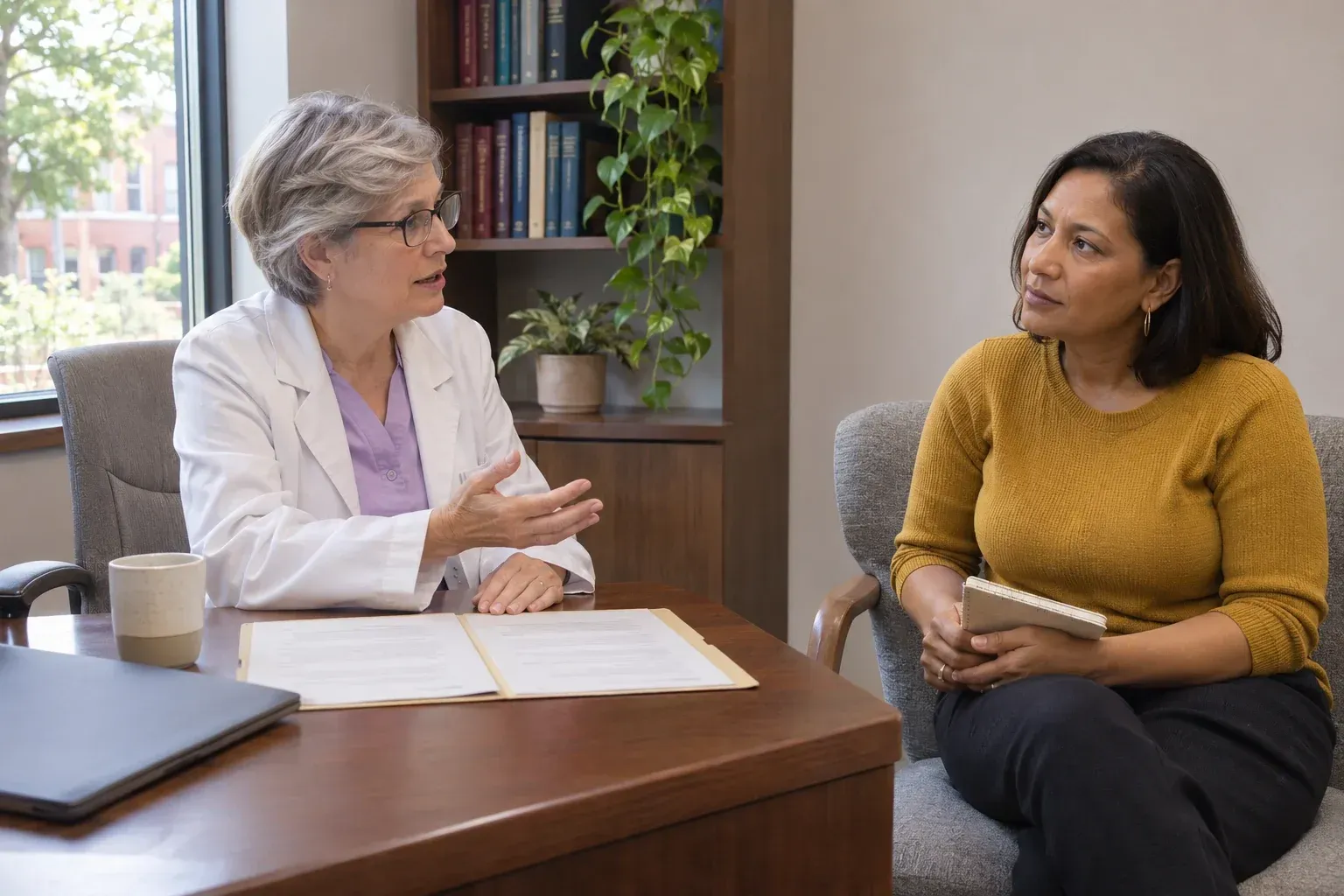
That report goes to the doctor who ordered the biopsy, often your gastroenterologist. The doctor then reads it in context, comparing it with what was seen during your exam and your symptoms and history.
What Can Make Biopsy Results Take Longer?
A few things commonly add days. Special stains, such as tests that tag specific proteins to classify a polyp or tumor, can add one to five days. Deeper slices or extra slides may be needed. A second pathologist's opinion improves accuracy but adds time.
Logistics matter too. Procedures done before weekends or holidays, busy lab periods, and samples sent to an outside lab can all push results back. Many samples taken from several areas can also take longer to review than a single one.
Do Upper Endoscopy and Colonoscopy Biopsies Take the Same Time?
Generally, yes. Both go through the same kind of pathology process, so the wait times are similar. What changes the wait is what the lab needs to do, not which part of the body the sample came from.
If you had an upper endoscopy, you can read how the exam works in our article on whether an upper endoscopy can detect stomach cancer. For a colonoscopy, polyp results also help determine when your next screening should happen.
Who Gets the Results First, and How Will You Be Told?
The pathology report goes to your doctor first, not to you. That's by design, because the doctor can explain what the findings mean for you instead of leaving you to decode medical language alone.
You may hear by phone, through an online patient portal, or at a return appointment. Ask how it will work for you before you go home, and make sure the office has your correct phone number.
What Can Endoscopy Biopsy Results Show?
Results fall into a few broad groups. Many come back normal or show mild, harmless inflammation. Others identify a specific condition, such as a Helicobacter pylori infection, gastritis, reflux related changes, or Barrett's esophagus. Biopsies of polyps tell the doctor what type each one was and whether it had any precancerous changes.
Less often, a biopsy finds cancer. If that happens, your doctor will explain the next steps and arrange further testing and care promptly.
Does Having a Biopsy Mean You Have Cancer?
No. Biopsies are taken for many reasons, and most come back benign. A doctor may sample tissue to check for infection, inflammation, celiac disease, or changes in the lining, or simply to be thorough when something looks slightly unusual.
Taking a biopsy is a normal, routine part of many endoscopies. It's a tool for answering questions, not a sign that something is wrong.
What Do the Results Mean for Your Next Steps?
It depends on the finding. A normal result may mean no change in your care. An infection such as H. pylori is treated with medicine. Barrett's esophagus usually calls for regular monitoring, and you can read more about it in our post on Barrett's esophagus.
After a colonoscopy, polyp results shape how soon you should repeat screening. The interval depends on how many polyps were found, how large they were, and what type they were. Your doctor will give you a specific recommendation.
Should You Worry If You Haven't Heard Back?
Don't assume that no news is good news. Results can be delayed, messages can get missed, and phone numbers can be wrong. If the expected time passes and you haven't heard anything, call the office and ask.
It's a normal request, and the staff handle it every day. A quick call can resolve a missed message and give you peace of mind.
What Should You Ask Before You Leave the Procedure?
A few questions make the wait easier. How long should results take? Who will contact me, and how? What will I be told if the results are normal, and what if they aren't? Will I need a return visit? And when should I expect to repeat the test, if that applies?
Write the answers down, since sedation can make it hard to remember details. Having a trusted person with you to listen is a good idea.
How Can You Cope While You Wait?
Waiting is uncomfortable, even when the odds are good. Try to keep your normal routine, stay busy, and lean on people you trust. It's tempting to search for worst case scenarios online, but without your report, those articles can't tell you anything about your situation.
If worry gets overwhelming, tell your doctor. They can sometimes give you an earlier update or a clearer sense of what to expect. Staying in touch with your care team is always okay.
What If Your Results Are Unclear or Need More Testing?
Occasionally, a pathologist needs more information. That might mean extra stains, deeper slices, or a second opinion, and sometimes a repeat biopsy or another test. It doesn't automatically mean bad news. It means the team wants to be sure.
Your doctor will explain what's needed and why. If symptoms continue even after a normal result, say so, since further evaluation can still be worthwhile.
Which Symptoms Shouldn't Wait for Results?
Don't wait on biopsy results if you develop severe belly pain, a firm swollen abdomen, fever or chills, heavy rectal bleeding, vomiting blood, black stools, or trouble swallowing after your procedure. Call the office right away or go to an emergency room if the office is closed.
Our article on endoscopy questions and answers covers more about what's normal after a procedure and what isn't.
Who Can Answer Your Biopsy Questions in Louisville?
If your procedure was done at the Dupont Square office, the team there is the right place to ask about your results. Dr. Anand Gupta holds board certification in gastroenterology and hepatology, and can go over what your findings mean for your care.
If you're a new patient, start with the new patient information page. Dr. Gupta's background is on the about page, and you can phone 502.893.7744 on a weekday between 9:00 am and 5:00 pm. This article is meant to inform you, and it can't interpret your personal results.
Frequently Asked Questions: Endoscopy Biopsy Results in Louisville, KY
How long do endoscopy biopsy results take?
Why do biopsy results take so long?
How will I get my endoscopy biopsy results?
Does a biopsy mean I have cancer?
What if I haven't heard back about my biopsy results?
Do colonoscopy biopsy results take as long as upper endoscopy results?
Who can help me with biopsy results in Louisville, KY?