What Foods Should You Avoid Before a Colonoscopy in Louisville, Kentucky?
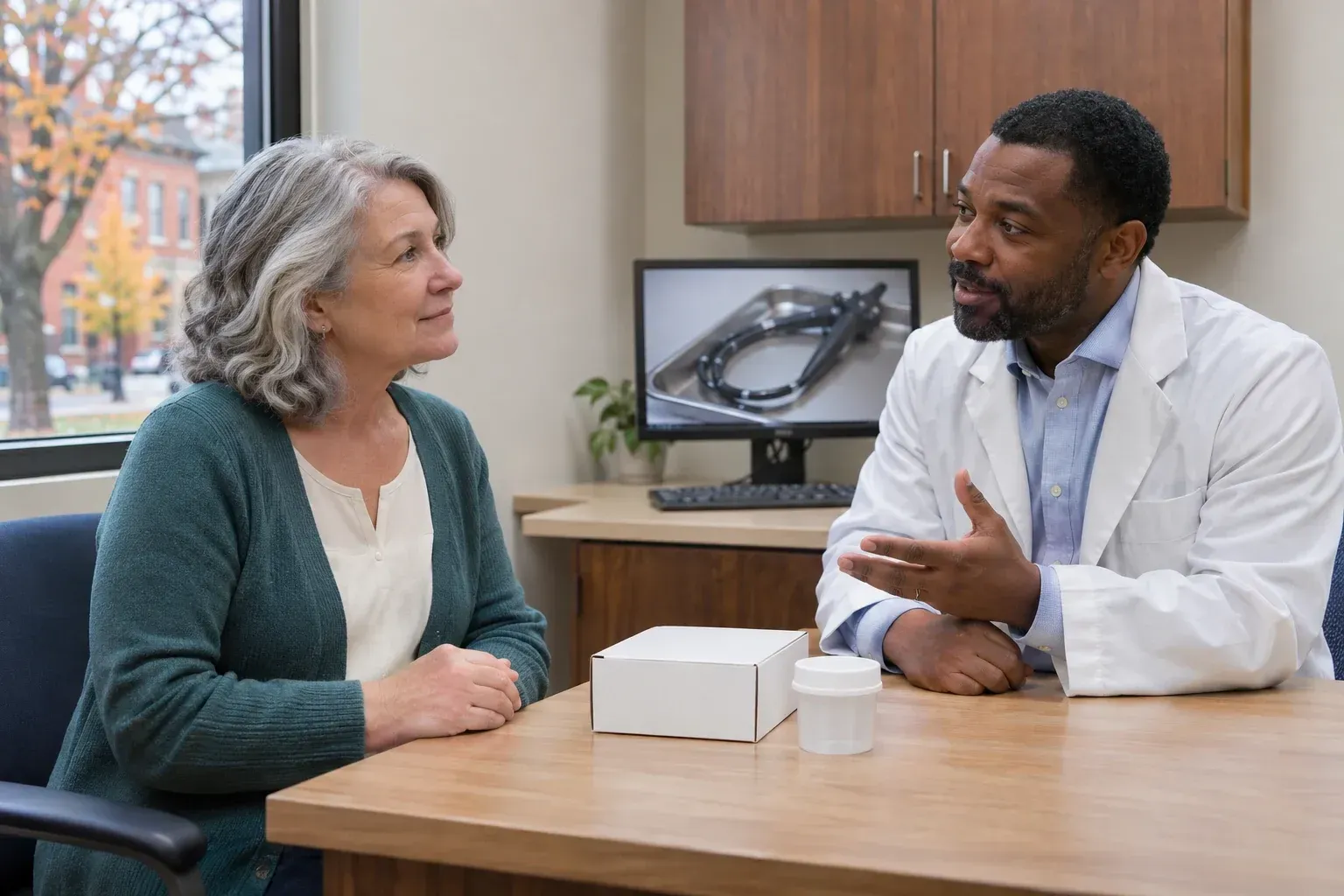
Before a colonoscopy, avoid nuts, seeds, popcorn, raw fruits and vegetables, whole grains, beans, corn, tough or fatty meats, and anything with skins or pulp. Many doctors ask you to follow a low residue diet for about three days, then switch to clear liquids the day before. Skip red and purple dyes, alcohol, and milk on the clear liquid day. The cleaner your colon, the better your doctor can see polyps. Always follow the written prep instructions from your own physician. Read about colonoscopy in Louisville, compare Cologuard and colonoscopy, or contact our office with prep questions.
You've got your colonoscopy on the calendar, and somewhere between booking it and the big day, a quiet panic sets in. Can I still have my morning toast? What about that bag of popcorn in the pantry? And what exactly counts as a clear liquid?
The prep is the part most people dread, but it doesn't have to be confusing. A few simple food rules make the difference between a clear, accurate exam and one that has to be repeated. Here's what to skip, what you can enjoy, and how to get through the prep with less stress.
What Foods Should You Avoid Before a Colonoscopy?
In the days before your exam, avoid foods that leave behind a lot of residue in the colon. That means nuts and seeds, popcorn, raw vegetables, most fruits and anything with skins, whole grains and bran, beans and lentils, corn, coconut, olives, and tough, stringy, or greasy meats. Fried and heavily seasoned foods are best skipped too.
These foods don't digest completely, so bits of them can stick to the colon wall and hide polyps. Even small seeds can get in the way. If you're ever unsure about a food, assume it's a no and ask the office.
Why Does Your Diet Matter Before a Colonoscopy?
A colonoscopy only works as well as your prep. The doctor needs a clear view of the colon lining to spot polyps, inflamed tissue, and early cancers. Leftover food and stool can cover small polyps, and in some cases the exam has to be rescheduled.
That's the real reason for all the rules. A clean colon means a better exam, a lower chance of missing something, and a lower chance you'll have to do this again. A few days of careful eating is a small price for that.
If you're still weighing your screening options, see how Cologuard compares with a colonoscopy. And if you've noticed rectal bleeding, don't wait for the exam date to ask about it, since our guide to its possible causes explains why.
When Should You Start Changing Your Diet?
The timeline depends on your doctor's instructions, but many practices ask for a low residue diet for about three days before the procedure. Some also ask you to stop foods with seeds, nuts, and skins even earlier, up to a week ahead. The day before, you'll move to clear liquids only.
Check your written instructions as soon as you receive them, and mark the dates on your calendar. Starting a day late is one of the most common mistakes, and it's easy to avoid with a plan.
What Is a Low Residue Diet?
A low residue diet limits fiber and foods that leave bulk behind in the colon, so there's less to clear out. It's not a starvation plan. You can still eat satisfying meals, as long as you choose refined, tender, and simple foods.
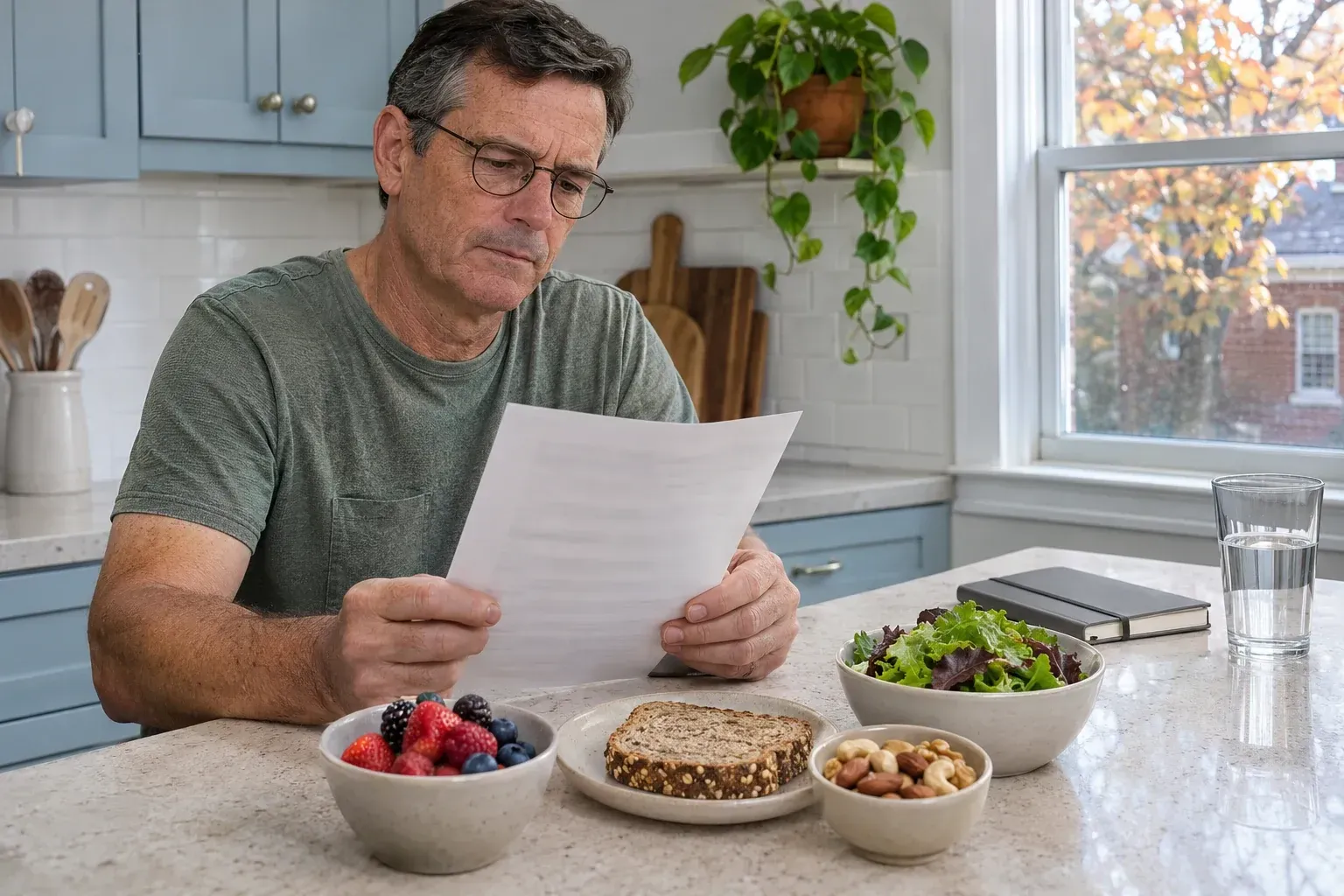
Good choices usually include white bread, white rice, and plain pasta, eggs, tender chicken, turkey, or fish, smooth peanut butter, plain yogurt without fruit, cottage cheese, mild cheese, and potatoes without the skin. Gelatin, broth, and plain crackers are fine too. Dairy is often limited, so check how much is allowed.
Which Foods Should You Stay Away From on a Low Residue Diet?
Here's the list of foods to skip, in plain terms. Skip all raw vegetables and salads. Skip most fruit, including raisins and anything with seeds, such as berries. Avoid nuts, seeds, and anything that contains them, including seeded breads and crackers. Pass on whole wheat, bran, oatmeal, brown rice, and popcorn.
Also skip beans, lentils, peas, corn, coconut, and olives, along with juices that have pulp and yogurt with fruit or granola. Tough, fatty, fried, or stringy meats can also cause trouble. When you read labels, look for words like whole grain, seeds, nuts, and fiber.
What Can You Eat the Day Before a Colonoscopy?
Most people switch to a clear liquid diet the day before. Clear liquids are ones you can see through, such as water, clear broth, apple or white grape juice without pulp, gelatin, ice pops, plain tea or coffee without milk or cream, and clear sports drinks.
Clear liquids keep you hydrated and help your body clear the colon. It's smart to have a variety on hand, since sweet, salty, and warm options make the day feel less long. Plan to drink plenty, and keep sipping even when you aren't hungry.
Which Drinks and Colors Should You Avoid?
Avoid anything red or purple, because the dye can look like blood in the colon. Some instructions also ask you to skip blue and orange. That includes red gelatin, fruit punch, and sports drinks in those colors. Choose yellow, green, or clear options instead.
Skip alcohol, milk, cream, orange juice with pulp, and any liquid you can't see through. Also avoid solid foods, even small bites. If a drink is cloudy, thick, or has bits in it, it isn't a clear liquid.
Can You Eat Seeds and Nuts If You Have Diverticulosis?
Many people with diverticulosis have heard they should avoid seeds and nuts, but the prep is a separate question. Before a colonoscopy, seeds and nuts are avoided for everyone, because they can interfere with the exam. Your longer term diet is a different conversation.
If you have diverticulosis, you can learn more in our article on what you need to know about diverticulosis, and your doctor can tell you how it affects your prep and your everyday eating.
When Should You Stop Eating and Drinking Before the Procedure?
Your instructions will give the exact times. Generally, you stop solid foods the day before and move to clear liquids, then stop all fluids a set number of hours before the procedure so sedation is safe. The cutoff depends on your appointment time and your doctor's protocol.
Don't guess. If you have any doubt about the cutoff, call the office. Having something to drink too close to the exam can mean your procedure has to be delayed.
What About Medications and Supplements?
Tell the office about every medication before prep begins. Blood thinners, diabetes medicines, and some other prescriptions may need to be adjusted. Iron supplements and fiber supplements are often stopped several days ahead, but the timing depends on your doctor.
Never stop a prescription on your own. Ask first, and write down what you're told. If you have an implanted device or a complex medical history, mention it as well, since that can change your prep plan.
What If You Accidentally Ate Something You Shouldn't Have?
It happens more than you'd think. If you ate a handful of nuts or a seeded cracker, don't panic, but do call the office. A small slip may be fine, while a larger one could affect the quality of the exam and your doctor may want to adjust the plan.
Be upfront about what you ate and when. It's far better to tell the team than to hope for the best, because a poorly cleaned colon can hide polyps and might mean a repeat colonoscopy.
How Can You Make the Prep Easier?
Plan ahead. Stock your kitchen with approved foods, chill your prep solution if allowed, and drink it through a straw to reduce the taste. Stay close to a bathroom, wear comfortable clothes, and keep soft wipes handy. A little barrier cream can ease irritation.
Keep busy with a show, a book, or a podcast. Stay hydrated, and keep going until the prep is done, since finishing the full amount is what gets the colon ready. Many people say the hardest part is the thought of it, not the doing.
What Prep Does Kentuckiana Gastroenterology Use?
The practice provides written prep instructions in advance, and prep forms for TriLyte and SUTAB are available in English and Spanish. The instructions tell you which diet to follow, when to start the prep, and when to stop eating and drinking.
Bring any questions about the instructions to the office. You can also find forms on the new patient information page, and learn more about the exam on the colonoscopy page.
Who Can Help You Prepare for a Colonoscopy in Louisville?
Prep questions are completely normal, and the team at Kentuckiana Gastroenterology & Paramount Surgery Center would rather answer them early than see a prep go wrong. Dr. Anand Gupta, board certified in gastroenterology, performs colonoscopies under sedation, and most patients are back to their usual routine the following day.
The office is on Dupont Square in Louisville and sees patients on weekdays by appointment. Meet the physician on the about page, browse the full list of services, then phone 502.893.7744 or send a message through the contact page. This article is general education, so always follow your own doctor's prep instructions.
Frequently Asked Questions: Colonoscopy Prep Diet in Louisville, KY
What foods should you avoid before a colonoscopy?
How many days before a colonoscopy should you stop eating certain foods?
What can you eat the day before a colonoscopy?
Why can't you have red or purple drinks before a colonoscopy?
Can you drink coffee before a colonoscopy?
What happens if you eat the wrong food before a colonoscopy?
Who can answer colonoscopy prep questions in Louisville, KY?